Managing meals when swallowing is difficult takes more than just cutting food into smaller pieces. For people living with dysphagia, the texture and consistency of every bite and every sip needs to be intentional. Whether you’re navigating this yourself or supporting a loved one, this guide walks you through what you need to know and the texture modification tool recommendations you can use.
What You Need to Know About Modifying Food Texture for Dysphagia
Before getting into the tools used to change food texture, it’s important to understand why texture matters in the first place. If the texture is too thin, too hard, or uneven, it can increase the risk of aspiration which may resulted in the people with dysphagia to choke or to have the food going into the airflow and lungs. Here are some helpful information you need to get familiar with:
1. IDDSI Level, The Standardized Food Thickness Levels
IDDSI Level is created by The International Dysphagia Diet Standardisation Initiative (IDDSI), a non-profit worldwide organization to educate people with or taking care of someone with dysphagia.
Read More: Understanding 7 IDDSI Levels, Your Complete Guide to Safe Eating with Dysphagia
The framework gives caregivers and clinicians a shared language for describing food and liquid textures. Food levels range from Level 3 (Liquidised) through to Level 7 (Regular), while liquids are classified from Level 0 (Thin) to Level 4 (Extremely Thick). It is created with a deep and long years of research to make sure people with dysphagia can eat and drink as safely as possible.
Someone who struggles with thin liquids, for example, may need drinks thickened to Level 2 (Mildly Thick, nectar consistency) or Level 3 (Moderately Thick, honey consistency).
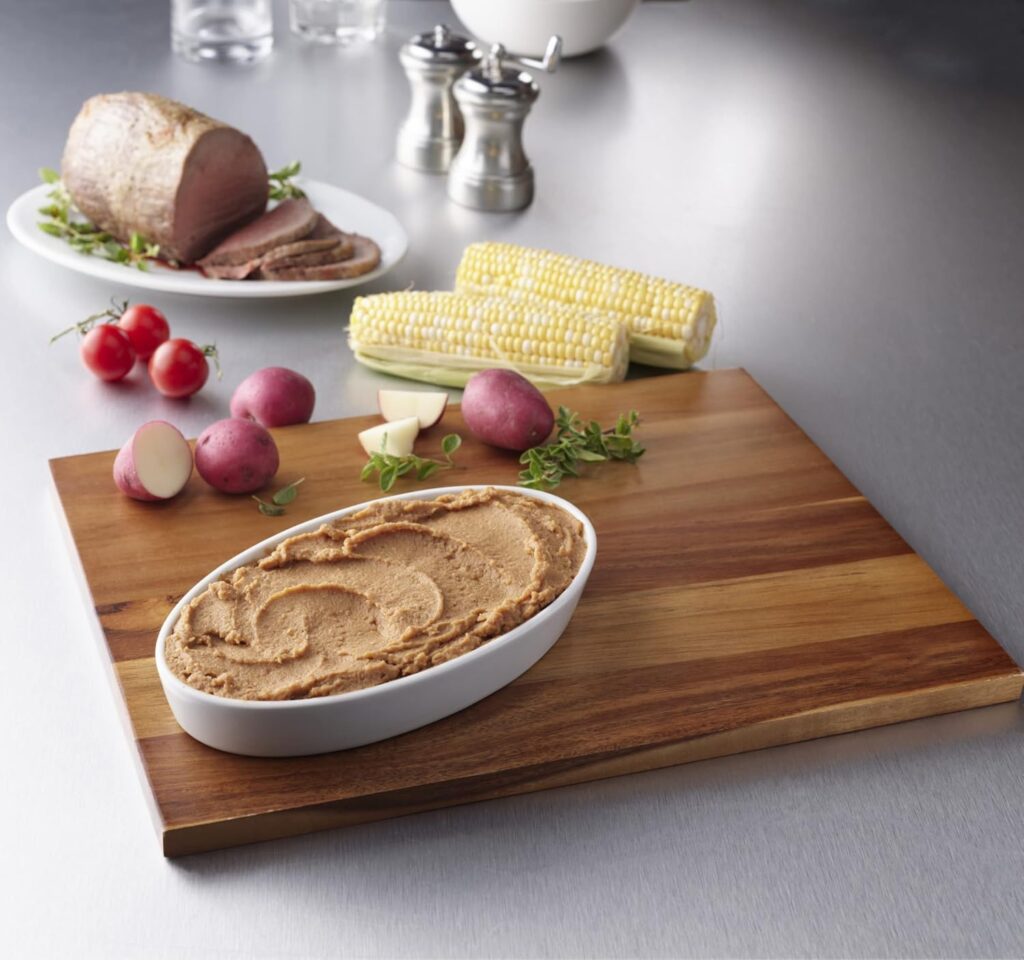
A person with more significant swallowing difficulty might need foods at Level 4 (Pureed) – smooth, with no lumps, chunks, or bits of skin.
2. Food Taste May Be Affected Along with The Texture Change
When you puree food or thicken liquids, the eating experience changes. Flavors can become more plain, textures blend together in ways that feel unfamiliar, and the aroma (which plays a big role in how food tastes) can shift.
A few things help to keep food for dysphagia tastes good:
- seasoning a little more generously than you usually would
- using good-quality broths or sauces to add depth to purees
- putting some effort into presentation so it still looks like the original meal
3. Temperature Can Play a Role in Food Texture Too
Food texture isn’t always static, instead it can change because of the temperature changes too. A drink you thicken to the right consistency can keep thickening as it cools, which means by the time it’s finished, it might be too thick. Some hot foods thin out slightly when warm and then thicken again as they sit. It’s worth checking consistency right before serving, not just when you’re preparing it.
Temperature also affects swallowing itself. Cold foods and drinks can help stimulate the swallow reflex in some people, making it slightly easier to trigger. Others do better with warm. It depends on the person, so pay attention to what seems to work and keep it consistent.
Recommended Texture Modification Tools For Someone with Dysphagia
Once you know the IDDSI level you’re working with, having the right tools makes a significant difference, both in the safety of what you’re preparing and how much time it takes. Here are some texture modification tools you can keep at home when you’re adjusting lifestyle with dysphagia.
1. Thickening Agents
These are probably the first thing most people turn to. Powders and gels like Nestle ThickenUp or Thick-It dissolve into liquids and bring them up to the target IDDSI level. You can thicken water, juice, coffee, tea, pretty much anything.
There are starch-based and xanthan gum-based options, and they behave a little differently. Xanthan gum tends to stay more stable over time and doesn’t thicken further as it sits.
Read more: What Is a Gum-based Thickener? A Dysphagia Thickener Alternative You Might Love
2. High-powered Blender or Food Processor
A regular blender can get you partway there, but it often leaves behind small lumps, bits of skin, or fibrous strands that aren’t visible until someone has difficulty swallowing them.
A high-powered blender like a Vitamix gives you genuinely smooth purees, the kind that pass the IDDSI spoon tilt test without any sneaky chunks. If you’re preparing dysphagia meals regularly, this is probably the most important tool to have. It also gives you real control when you’re working across different texture levels depending on what you’re making.
3. Digital Food Thermometer
A digital food thermometer is one of those tools that seems minor until it isn’t. It lets you confirm food is at a safe serving temperature and helps you catch when something has cooled enough that its texture might have changed.
4. Dysphagia Cooking Guide
If you’re just starting out with texture modification, having a cookbook written specifically for dysphagia is genuinely helpful.
The recipes are already built around specific IDDSI levels, so you’re not adapting regular recipes and hoping for the best. It also gives you a better feel for techniques like how to keep flavors strong, how to adjust consistency, what works and what doesn’t.
Read More: 5 Dysphagia Cookbooks With Recipes
5. Pre-made Dysphagia Friendly Meals
Sometimes you get too busy to do meal-prep for dysphagia, and that’s totally okay. Premade dysphagia meals are designed to meet specific texture standards, which means the consistency work is already done. They’re useful as a backup option, and they’re also a helpful reference for what a well-prepared pureed meal should actually look and feel like when you’re getting started.
Read More: 4 Best Pureed Foods For Dysphagia You Can Buy Online