Dysphagia Products
Flow Regulating Dysphagia Cups Comparison
4 insert-beaker flow-regulating dysphagia cups compared honestly — IDDSI levels, thickened liquid compatibility, clinical validation, and which one suits which swallowing profile.
Recipes - IDDSI Levels 0–4
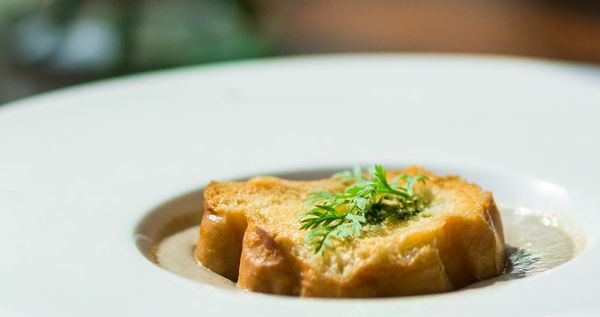
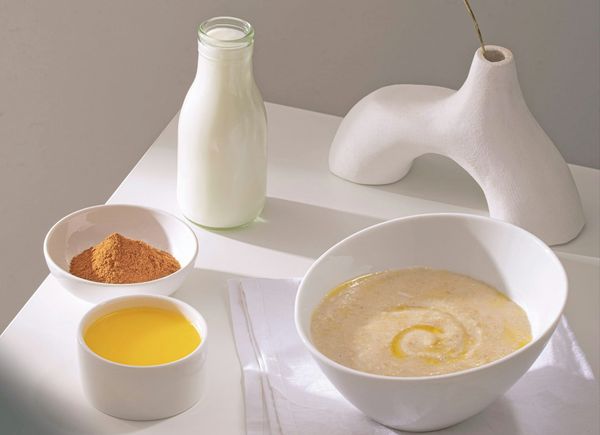
Warm, gently spiced, and naturally smooth — this recipe is designed to meet IDDSI Level 3 (Moderately Thick) or IDDSI Level 4 (Puréed), depending on how the apple component is prepared.
Dysphagia Resources
A medical diagnosis arrives, and somewhere in the background, quietly and gradually, eating and drinking start to change. A cough during a meal gets dismissed as nothing
Recipes - IDDSI Levels 0–4
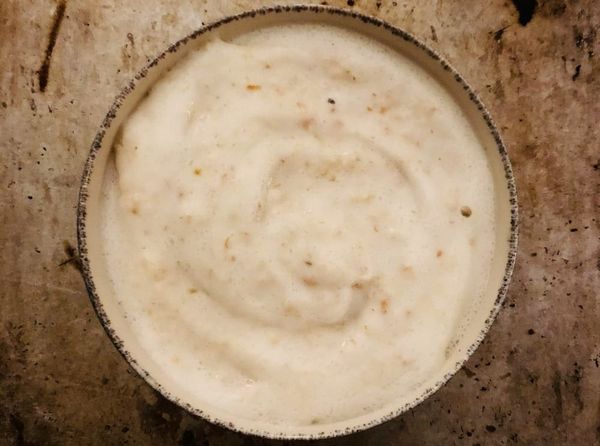
A smooth, comforting mashed potato recipe adapted for dysphagia. Designed to meet IDDSI Level 4 (Puréed) or Level 5 (Minced & Moist) with simple at-home consistency checks.
Dysphagia Products
I've seen how much of a difference the right cup can make. Some people take to it immediately; others are more hesitant, worried that using specialist equipment signals a loss of independence or marks a turning point they're not ready to accept.
Reviews
A full review of the SavvyBloom dysphagia cup, one of the most functional dysphagia cups you can find.
IDDSI Content
The Masako Maneuver is a targeted rehabilitative exercise designed to close that gap by forcing the throat muscles to work harder. By anchoring the tongue forward, you are essentially "weightlifting" with your pharyngeal constrictors.
IDDSI Content
Medical definitions of Gastroesophageal reflux (GER) and gastroesophageal reflux disease (GERD) and explore the direct link between chronic reflux and swallowing disorders.
IDDSI Content
Understanding the symptoms of dysphagia is the first step toward finding relief and regaining the joy of eating.
Recipes - IDDSI Levels 0–4
Captures the flavor of the Midwest without the "crunch" hazard. This recipe is designed to meet IDDSI Level 4 (Pureed) or IDDSI Level 5 (Minced & Moist), depending on the final processing step.
Have you been missing comfort food at home? And thought that traditional meatloaf can be crumbly and dry, which is a choking hazard? Here we have a solution for anyone with dysphagia who misses that homely taste.
Nobody had told us what "smooth enough" meant in practice. The hospital discharge letter mentioned "texture modification" and "IDDSI levels" without explaining either.
Nobody talks about the eating part. When a cancer diagnosis arrives, the conversation moves immediately to treatment plans, prognosis, and logistics. Swallowing difficulties — when they come — often arrive quietly and without warning, in the middle of a radiation course or in the weeks after surgery, at a moment when the
Gum-based thickeners stay clear, resist saliva breakdown, and hold their consistency over time. Here's how they work, how they compare to starch, and which products are worth trying
From coffee to orange juice, most everyday drinks can be safely thickened for dysphagia. Here's which thickeners work best for each drink — and why the match matters.
A practical comparison of the 6 most used food thickeners for dysphagia — starch, xanthan gum, and gel formats — with honest notes on when each one works best.
Silky-smooth pureed chicken served with creamy mashed sweet potatoes, specifically designed for those requiring IDDSI Level 5 textures.
Standard straws are not safe for dysphagia, but specially designed dysphagia straws can be. Here's how they work, which ones are worth buying, and how they compare to dysphagia cups.
In this article, we will break down the most common diseases that cause dysphagia, why it happens, the recovery time, and how to notice the signs. Read more.
A practical guide to managing dysphagia at home — covering kitchen basics, safe mealtime practices, aspiration risks, swallowing exercises, and caregiver wellbeing. Written from lived experience
DSS, FOIS, and PAS — three scales used to assess dysphagia severity, each measuring something different. Here's what each score means and what it means for daily life at home.
Thickened liquids and liquidised foods aren't the same thing — even when they look identical in a bowl. Here's what the IDDSI difference means in practice.